
Day 1
Day 2
Day 3
Opening Ceremony and Scientific Sessions
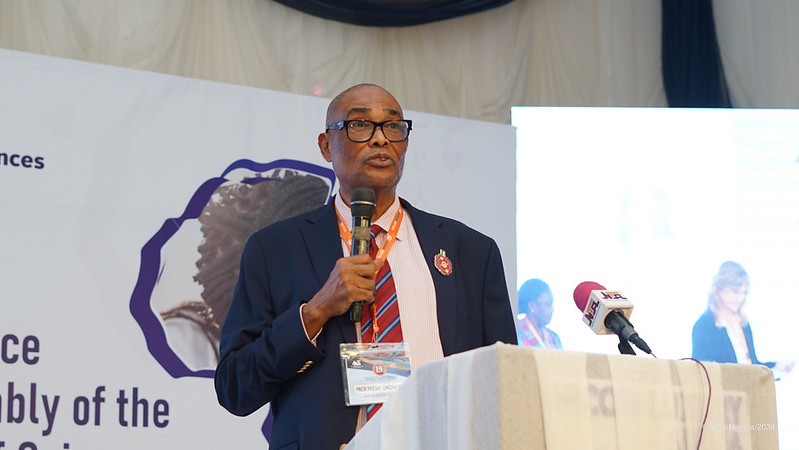
Opening Ceremony and Scientific Sessions
The 16th AAS Biennial International Conference will provide a high-level platform for scientists, policymakers, industry leaders, development partners, innovators and young researchers to deliberate on emerging scientific advancements and formulate practical solutions for Africa’s development and prosperity. The conference is expected to attract more than 500 participants from Africa and beyond, representing academia, governments, industry, civil society, development organizations and international institutions.
Scientific Session A - Agriculture & Animal Husbandry
Scientific Session A - Agriculture & Animal Husbandry
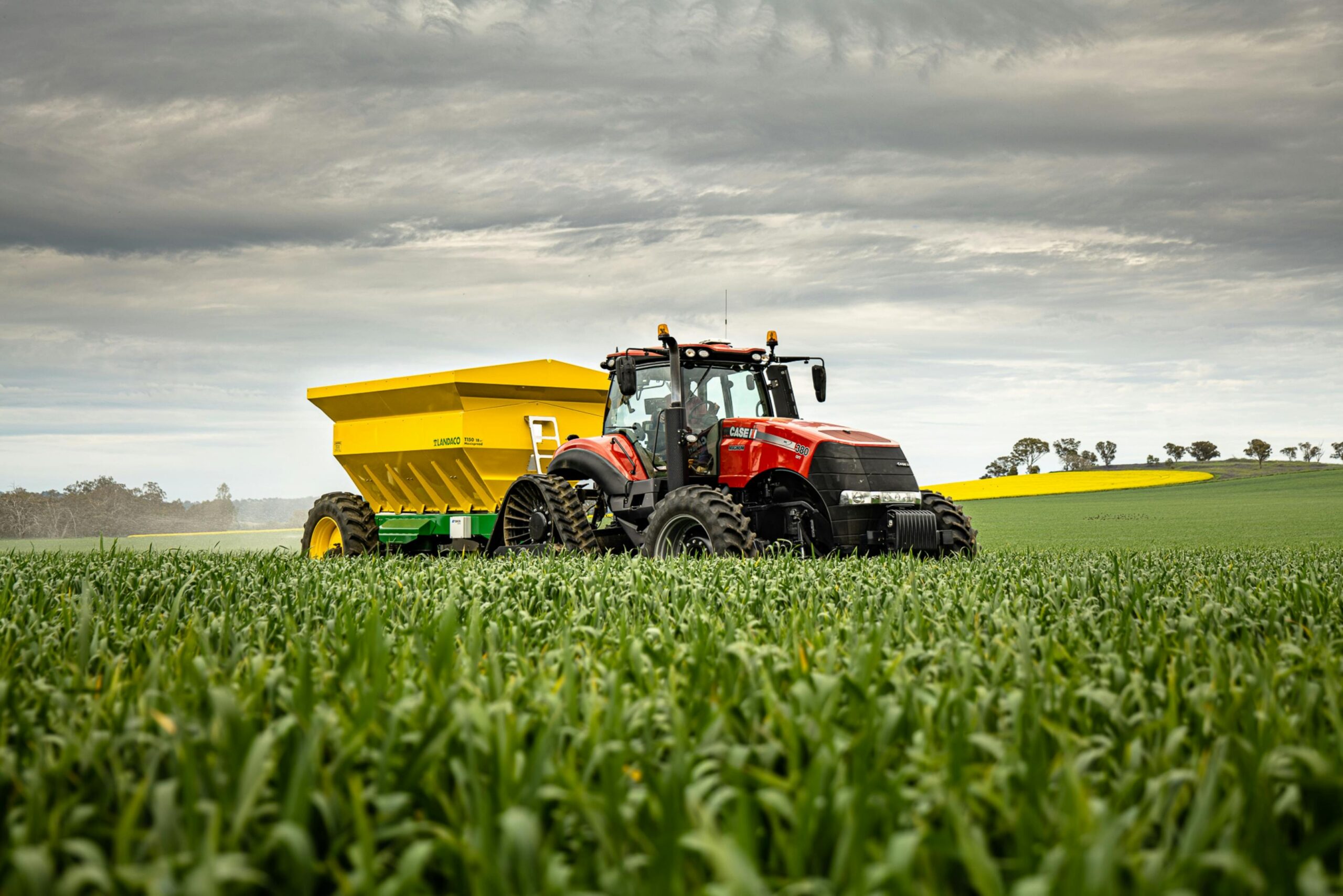
This session will present current research and applied innovations in agriculture and animal husbandry, highlighting their contribution to sustainable development and economic prosperity in Africa. Discussions will examine how scientific evidence, digital tools, climate-smart practices, improved breeding, animal health systems, soil and water management, and value-chain innovation can strengthen food and nutrition security. The session will also consider the role of smallholder farmers, pastoral communities, agri-enterprises and research institutions in transforming agricultural productivity into inclusive growth. By bringing together researchers and practitioners, the session will encourage exchange on scalable technologies, policy priorities and investment opportunities that can support resilient farming systems, reduce post-harvest losses, improve livelihoods and advance Africa’s transition toward sustainable, competitive and climate-resilient food systems.
Scientific Session A - Health & Wellbeing
Scientific Session A - Health & Wellbeing
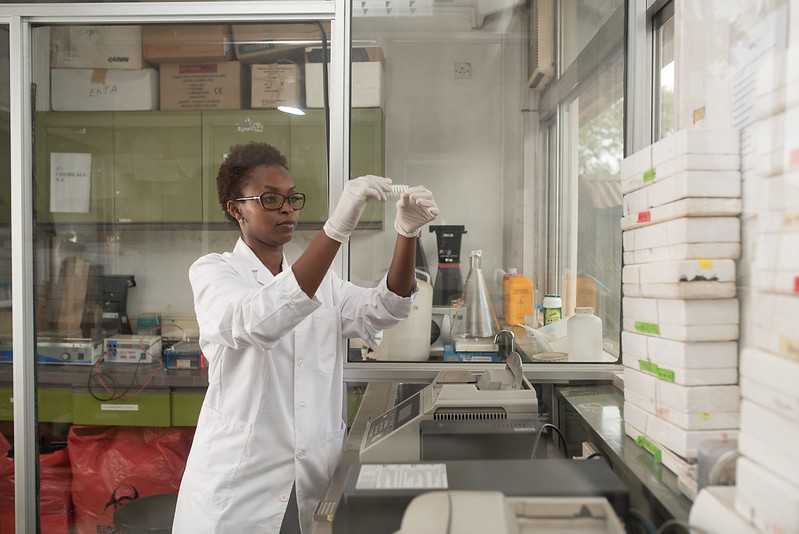
The Health and Wellbeing session will feature research that advances understanding of Africa’s health priorities and the systems needed to respond effectively. Presentations may address infectious and non-communicable diseases, maternal and child health, mental health, public health surveillance, health technologies, implementation science and equitable access to care. In line with the conference theme, the session will emphasize how locally led research, innovation and cross-sector collaboration can improve health outcomes while contributing to social and economic development. Participants will examine evidence that can inform stronger health policies, resilient primary care systems, preparedness for emerging threats and more inclusive approaches to wellbeing. The session will also provide space for early-career and established scientists to share methods, findings and practical lessons that can be translated into interventions, partnerships and investments for healthier African communities.
Scientific Session A - Energy & Water

Scientific Session A - Energy & Water
The Energy and Water session will focus on scientific and technological solutions for two interconnected priorities shaping Africa’s development pathway. Presentations will explore renewable energy, energy access, water quality, sanitation, hydrology, irrigation, climate resilience, resource governance and sustainable infrastructure. The session will connect technical research with the broader conference theme by showing how reliable energy and secure water systems enable health, agriculture, education, enterprise development and industrialization. It will also highlight opportunities for innovation in decentralized systems, data-driven planning, environmental protection and public-private partnerships. By bringing together researchers, engineers, policymakers and practitioners, the session will encourage discussion on scalable approaches that can reduce vulnerability, improve service delivery and support Africa’s transition toward low-carbon, water-secure and economically productive societies.
Scientific Session A - Digital Technologies
Scientific Session A - Digital Technologies
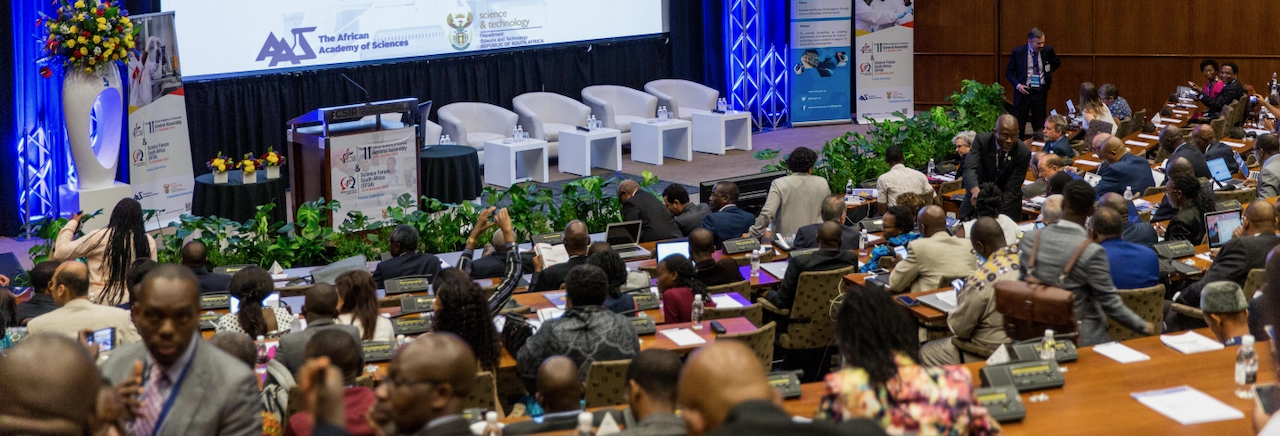
The Digital Technologies session will examine how emerging and established digital tools can support sustainable development and economic prosperity in Africa. Presentations will address areas such as artificial intelligence, data science, digital infrastructure, cybersecurity, e-health, e-learning, financial technology, smart agriculture and digital public services. The session will consider both opportunities and risks, including inclusion, affordability, governance, skills development and ethical use of data. Aligned with the conference theme, discussions will demonstrate how African researchers and innovators can design context-relevant digital solutions that improve service delivery, create jobs, strengthen scientific collaboration and expand market opportunities. Participants will explore pathways for translating digital research into scalable products, policies and partnerships that contribute to resilient institutions, competitive economies and inclusive transformation across the continent.
Scientific Session B - Chemistry, Physics & Space Sciences
Scientific Session B - Chemistry, Physics & Space Sciences
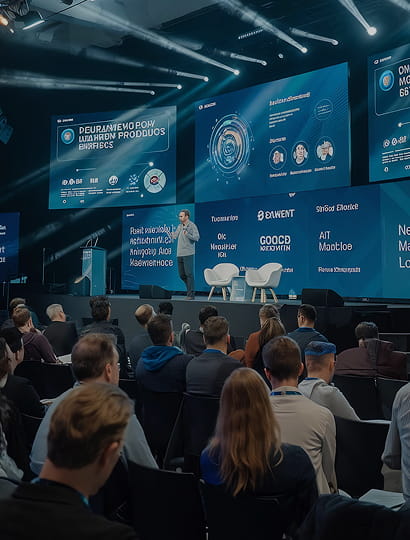
The Chemistry, Physics and Space Sciences session will highlight research that strengthens Africa’s knowledge base and expands opportunities for innovation-led development. Contributions may cover pure and applied chemistry, materials science, environmental chemistry, physics, instrumentation, astronomy, satellite applications, earth observation and space-enabled services. The session will demonstrate how fundamental and applied sciences contribute to industrial productivity, climate monitoring, disaster preparedness, resource management, education and high-technology sectors. In alignment with the conference theme, it will emphasize the importance of investing in laboratories, research infrastructure, technical skills and international partnerships that enable African scientists to address local priorities while contributing to global discovery. The session will also encourage dialogue on how advances in physical and space sciences can be translated into policy, enterprise development and sustainable economic opportunities.
Scientific Session B - Life Sciences
Scientific Session B - Life Sciences
The Life Sciences session will bring together research on biological systems and their application to Africa’s development challenges. Presentations may address genomics, microbiology, ecology, biodiversity, biotechnology, plant and animal sciences, disease biology, conservation and bioresource management. The session will show how life sciences contribute to food security, public health, environmental protection, climate adaptation and sustainable use of natural resources. Consistent with the conference theme, it will emphasize research that is locally relevant, ethically conducted and capable of informing policy, innovation and enterprise. Participants will consider how investments in biological research capacity, laboratory networks, data sharing and interdisciplinary collaboration can accelerate discoveries and translate them into practical solutions for communities, ecosystems and economies across Africa.
Scientific Session B - Earth Sciences, Minerals, Oil & Gas

Scientific Session B - Earth Sciences, Minerals, Oil & Gas
The Earth Sciences, Minerals, Oil and Gas session will explore research that supports responsible management of Africa’s natural resources. Presentations may cover geology, geophysics, mineral exploration, petroleum systems, environmental assessment, geospatial analysis, disaster risk, climate impacts, mining technologies and resource policy. The session will connect scientific knowledge to sustainable development by examining how natural resource sectors can generate economic prosperity while minimizing environmental and social risks. Discussions will also consider value addition, local content, transparency, community engagement, energy transition and the role of data in resource planning. By bringing researchers and practitioners into dialogue, the session will promote evidence-based approaches that help African countries manage minerals, oil and gas in ways that support inclusive growth, environmental stewardship and long-term resilience.
Scientific Session B - Engineering, Architecture & Innovation
Scientific Session B - Engineering, Architecture & Innovation
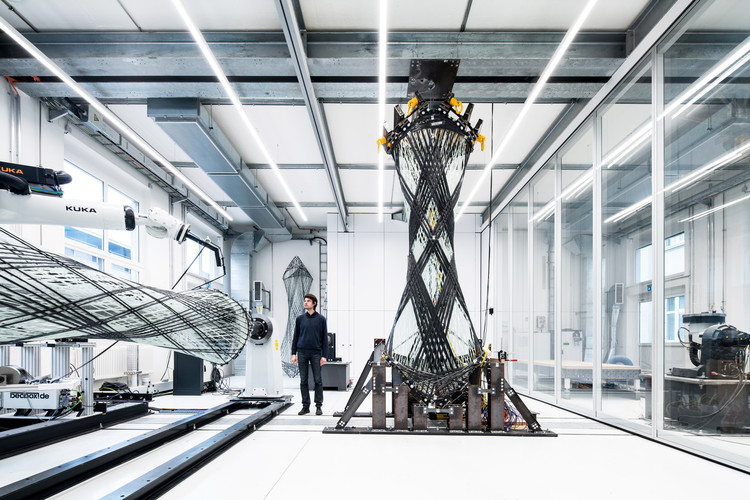
The Engineering, Architecture and Innovation session will showcase research and solutions that address Africa’s infrastructure and industrial transformation priorities. Presentations may cover sustainable construction, transport systems, manufacturing, renewable technologies, urban planning, resilient buildings, materials engineering, design thinking and innovation ecosystems. The session will connect technical work to the conference theme by demonstrating how engineering and design can improve quality of life, reduce environmental impact, create jobs and support competitive economies. Participants will examine how universities, industry, governments and start-ups can collaborate to move ideas from laboratories and studios into practical applications. The session will also encourage discussion on standards, financing, skills development and policy environments that enable African-led innovation to shape safer, greener and more inclusive communities.
Keynote: Science and Leadership for Africa’s Transformation
Keynote: Science and Leadership for Africa’s Transformation
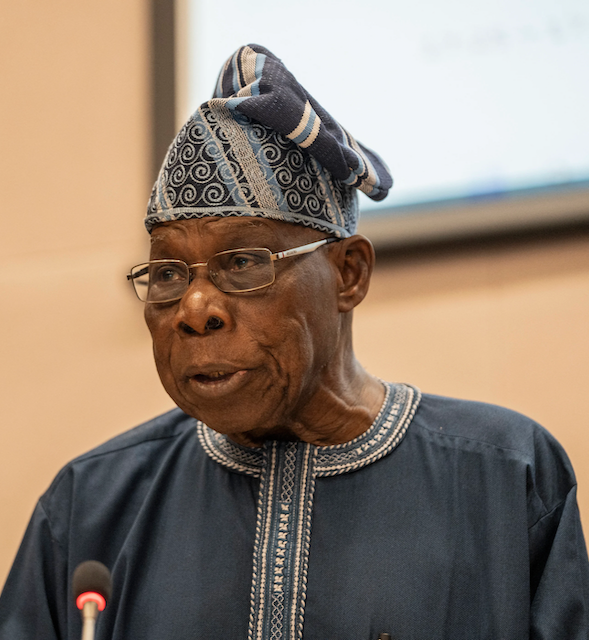
The keynote forum on Science and Leadership for Africa’s Transformation will provide a high-level reflection on the leadership choices required to translate science, technology and innovation into development impact. Delivered by Former President Olusegun Obasanjo GCFR, FAAS, the session will explore how political commitment, institutional strength, regional cooperation and investment in knowledge systems can shape Africa’s future. The forum will link scientific excellence with governance, economic planning, youth opportunity, industrialization and continental integration. It will encourage participants to consider how leaders in government, academia, business and civil society can create enabling environments for research, innovation and evidence-based policy. In keeping with the conference theme, the keynote will set a strategic tone for discussions on sustainable development, economic prosperity and Africa’s capacity to define and implement its own science-driven transformation agenda.
Presidential Session 1: AAS African-wide Science Programming
Presidential Session 1: AAS African-wide Science Programming
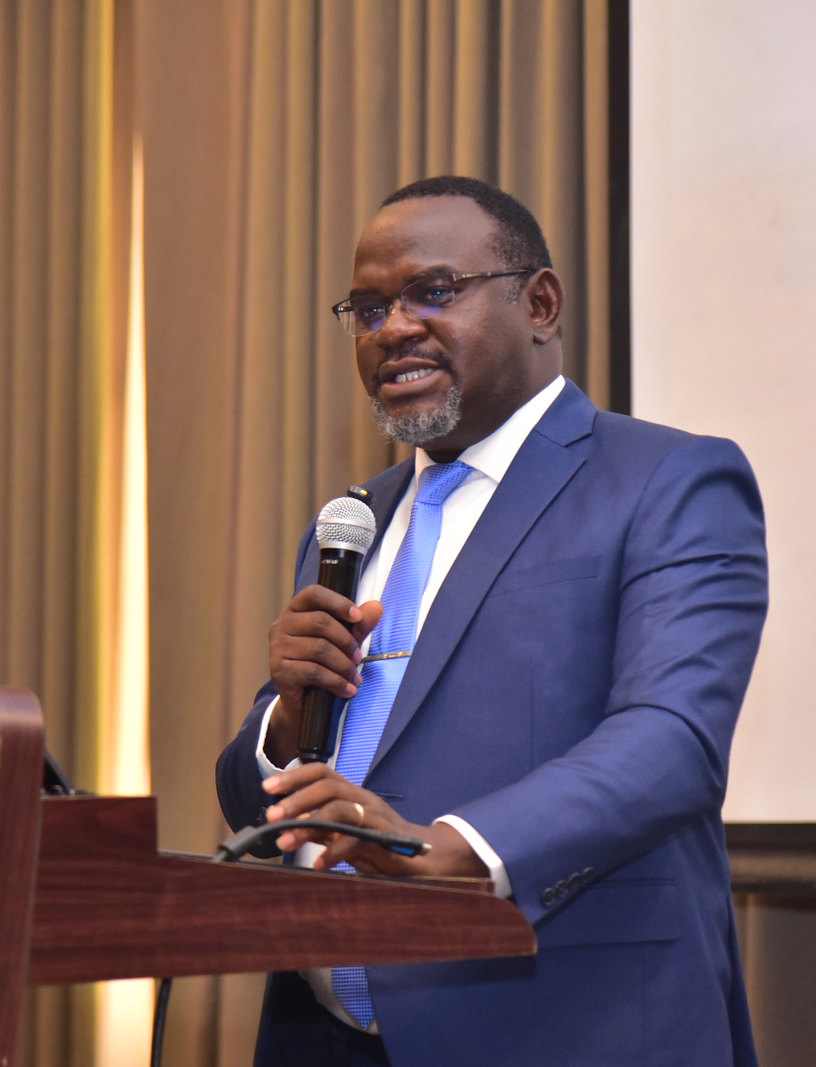
Presidential Session 1 will provide an overview of AAS African-wide science programming and its contribution to sustainable development and economic prosperity. Presentations will cover initiatives such as ARISE, synchrotron science, climate-health preparedness and Africa-China partnerships, demonstrating how the Academy mobilizes excellence, networks and partnerships across the continent. The session will bring together senior scientists and programme leaders to discuss how coordinated investments in research capacity, infrastructure, fellowships, policy advice and international collaboration can respond to Africa’s priority challenges. It will also highlight the importance of pan-African platforms that support early-career researchers, strengthen institutions and connect scientific evidence to decision-making. By presenting flagship programmes and future opportunities, the session will help delegates understand the AAS role in shaping a more integrated, ambitious and impact-oriented African science ecosystem.
Digital Innovation, AI and 4IR

Digital Innovation, AI and 4IR
The Digital Innovation, AI and 4IR dialogue will examine how Africa can harness emerging technologies to accelerate sustainable development and economic prosperity. The session will consider artificial intelligence, automation, data systems, digital infrastructure, platform economies, cybersecurity, digital skills and innovation ecosystems. Participants will discuss how these technologies can improve health, agriculture, education, governance, climate action and enterprise growth while addressing concerns about ethics, inclusion, data sovereignty, job transitions and regulatory readiness. In line with the conference theme, the dialogue will focus on African priorities and the need for locally relevant research, responsible innovation and strategic investment. It will encourage collaboration among scientists, policymakers, entrepreneurs and development partners to shape digital transformation that is inclusive, competitive and grounded in public value.
Climate-Smart Agriculture and Food Security
Climate-Smart Agriculture and Food Security
The Climate-Smart Agriculture and Food Security dialogue will focus on the role of science, technology and innovation in transforming African food systems under changing climate conditions. The session will explore climate-resilient crops and livestock, soil and water management, digital advisory tools, early warning systems, post-harvest technologies, nutrition-sensitive agriculture and inclusive value chains. Participants will examine how research can inform policies and investments that improve productivity while protecting ecosystems and reducing vulnerability. The dialogue will also consider the needs of smallholder farmers, pastoralists, youth and women, whose participation is essential to sustainable rural development. Aligned with the conference theme, the session will identify practical pathways for turning agricultural science into food security, employment, enterprise growth and long-term economic prosperity.
Health Systems, Traditional Medicine and Drug Discovery
Health Systems, Traditional Medicine and Drug Discovery
The Health Systems, Traditional Medicine and Drug Discovery dialogue will examine how Africa can strengthen health resilience while advancing locally driven biomedical innovation. Discussions will consider health system performance, access to essential services, public health preparedness, traditional medicine research, natural products, clinical validation, regulation, pharmaceutical development and manufacturing capacity. The session will highlight the importance of rigorous science, ethical practice and community engagement in translating traditional knowledge and modern research into safe, effective and accessible health solutions. It will also explore how investment in laboratories, clinical research, data systems and partnerships can support discovery pipelines and reduce dependence on external supply chains. In line with the conference theme, the dialogue will connect health innovation to wellbeing, economic opportunity and sustainable development across the continent.
Policy and Governance in African Science
Policy and Governance in African Science
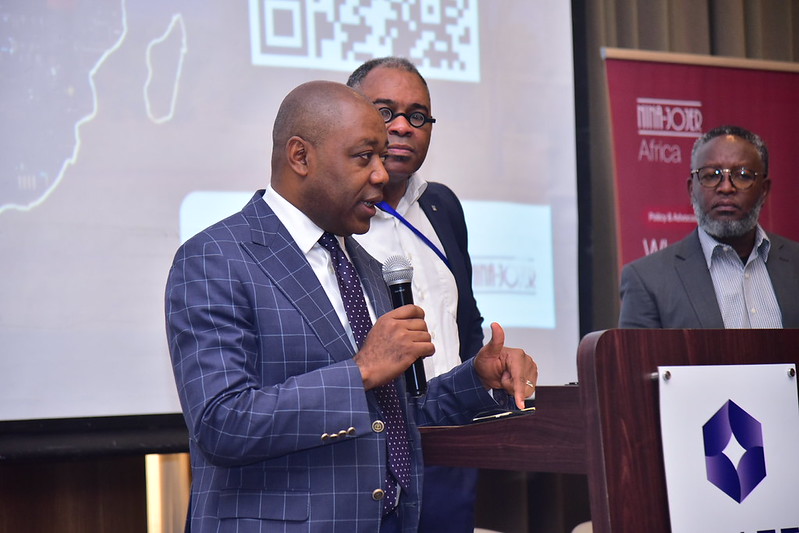
The Policy and Governance in African Science dialogue will explore the institutional and policy conditions needed for science, technology and innovation to thrive. Participants will discuss research funding, science diplomacy, regulatory systems, ethics, open science, intellectual property, evaluation, public trust and mechanisms for connecting scientific evidence to policy decisions. The session will examine how African governments, academies, universities, funders and regional bodies can build stronger governance frameworks that support excellence, inclusion and accountability. It will also address the importance of long-term investment, coordination across sectors and meaningful engagement with society. Aligned with the conference theme, the dialogue will identify reforms and partnerships that can help science deliver practical solutions, strengthen economies and support sustainable development across Africa.
Keynote: Scientific Evidence and Political Decision-Making

Keynote: Scientific Evidence and Political Decision-Making
The keynote on Scientific Evidence and Political Decision-Making will explore how research can more effectively inform public policy, governance and development planning in Africa. Delivered by Professor Ameenah Firdaus Gurib-Fakim, FAAS, the address will reflect on the opportunities and challenges of translating scientific evidence into decisions that affect health, climate, food security, education, technology and economic development. The session will emphasize the need for trusted science institutions, timely evidence synthesis, clear communication and constructive relationships between researchers and decision-makers. It will also consider how political leadership can create enabling conditions for innovation and long-term investment in research. In line with the conference theme, the keynote will reinforce the importance of evidence-informed governance in achieving sustainable development and economic prosperity across the continent.
Plenary Session on Philanthropy and Science in Africa

Plenary Session on Philanthropy and Science in Africa
The Plenary Session on Philanthropy and Science in Africa will bring together major funders and development partners to discuss how financing can strengthen African research and innovation systems. Representatives from institutions such as AfDB, the World Bank, Ford Foundation, the European Union and Gates Foundation will consider funding priorities, grant mechanisms, partnership models and approaches to long-term capacity building. The session will address how philanthropic and development finance can better align with African-led agendas, support institutional excellence, reduce fragmentation and enable research translation. It will also explore opportunities for co-investment, equitable partnerships and funding that reaches early-career scientists, interdisciplinary teams and high-impact programmes. Consistent with the conference theme, the plenary will highlight financing as a key driver of science, technology and innovation for sustainable development and economic prosperity.
Fellows Showcase Session
Lunch Break

Lunch Break
The Day 3 lunch break will provide a valuable opportunity for delegates to pause and build on discussions from the morning sessions. After conversations on evidence-informed governance, science philanthropy and the achievements of AAS Fellows, participants can use the time to identify funding opportunities, seek advice, connect with potential mentors and explore institutional partnerships. The informal setting will also support engagement between researchers, funders, development partners, policymakers and early-career scientists. Exhibition visits and side conversations during lunch can help translate ideas into future proposals, collaborations and programme actions. In this way, the break will contribute to the conference’s wider objective of strengthening networks that advance science, technology and innovation for sustainable development and economic prosperity in Africa.